Hella Aglaia
Making assisted driving safer with the power of the crowd
UX design for complex labeling processes to improve AI models
Sector
Mobility and Automotive AI
Principle
Period
12 months
Starting position
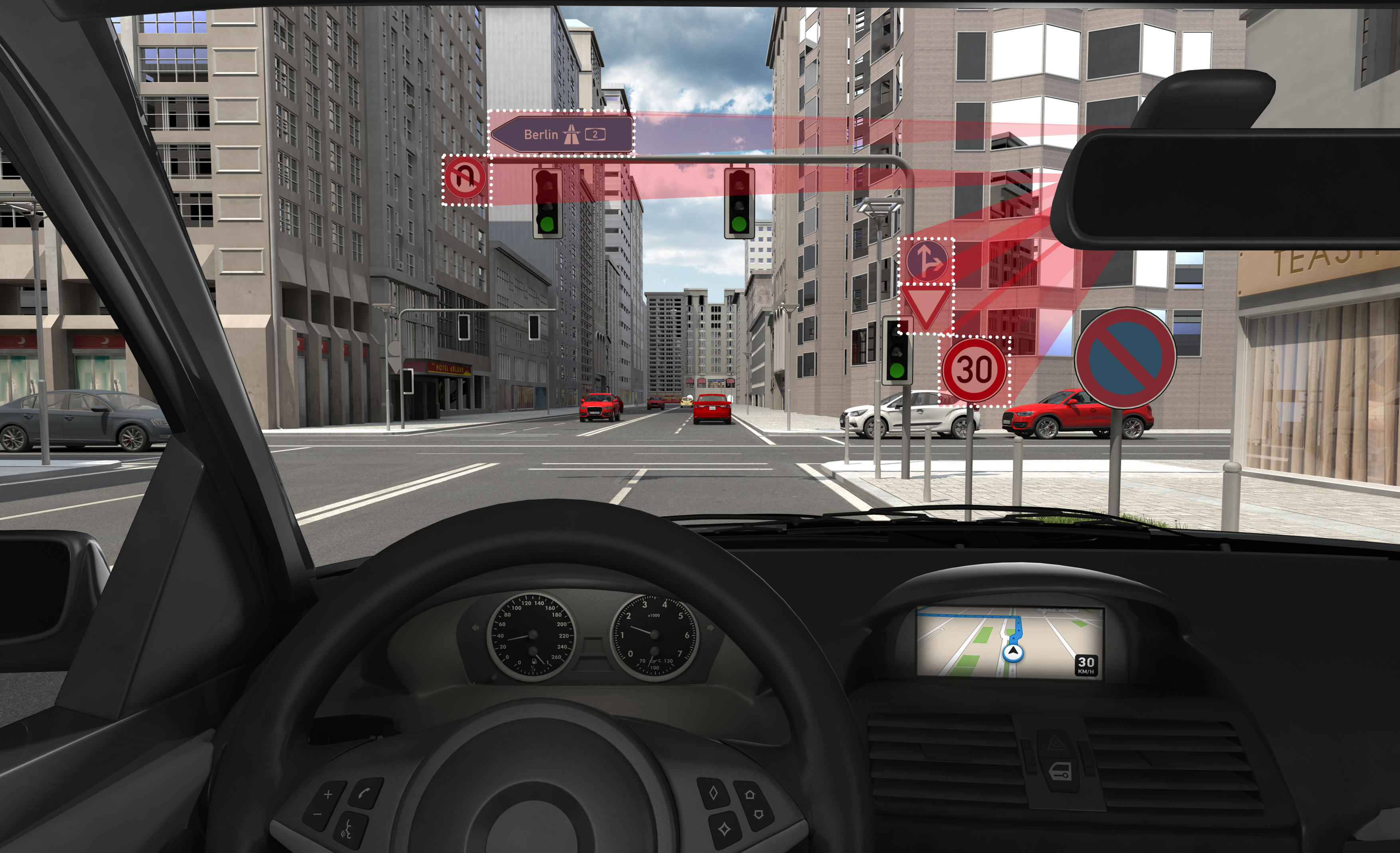
HELLA Aglaia develops software solutions for analyzing and annotating video material from road traffic. This video material forms the basis for training AI systems that enable driver assistance functions and, in perspective, autonomous driving.
In order to reliably train AI models, large amounts of video data must be precisely labelled. Objects, situations and behavioral patterns must be clearly marked, classified and correctly assigned. This process is highly complex, time-consuming and safety-relevant.
The software is used by specialized user groups who work under high quality standards. Small errors in labeling can have a direct impact on AI performance. At the same time, the work is cognitively demanding, as large amounts of data are analyzed over long periods of time.
Starting position
HELLA Aglaia develops software solutions for analyzing and annotating video material from road traffic. This video material forms the basis for training AI systems that enable driver assistance functions and, in perspective, autonomous driving.
In order to reliably train AI models, large amounts of video data must be precisely labelled. Objects, situations and behavioral patterns must be clearly marked, classified and correctly assigned. This process is highly complex, time-consuming and safety-relevant.
The software is used by specialized user groups who work under high quality standards. Small errors in labeling can have a direct impact on AI performance. At the same time, the work is cognitively demanding, as large amounts of data are analyzed over long periods of time.
Starting position
HELLA Aglaia develops software solutions for analyzing and annotating video material from road traffic. This video material forms the basis for training AI systems that enable driver assistance functions and, in perspective, autonomous driving.
In order to reliably train AI models, large amounts of video data must be precisely labelled. Objects, situations and behavioral patterns must be clearly marked, classified and correctly assigned. This process is highly complex, time-consuming and safety-relevant.
The software is used by specialized user groups who work under high quality standards. Small errors in labeling can have a direct impact on AI performance. At the same time, the work is cognitively demanding, as large amounts of data are analyzed over long periods of time.
Approach
UseTree helped HELLA Aglaia systematically analyze and structure the labeling process from a user perspective.
The focus was on the real work processes of users who view, evaluate and annotate video material. Together they were:
- User roles and responsibilities identified in the labeling process
- Analyzes typical tasks and work steps when annotating video data
- Identifying information requirements and decision points
- cognitive loads and sources of error made visible
The aim was to gain a deep understanding of how people work with highly complex video material and what UX basics they need to remain precise and efficient.
Approach
UseTree helped HELLA Aglaia systematically analyze and structure the labeling process from a user perspective.
The focus was on the real work processes of users who view, evaluate and annotate video material. Together they were:
- User roles and responsibilities identified in the labeling process
- Analyzes typical tasks and work steps when annotating video data
- Identifying information requirements and decision points
- cognitive loads and sources of error made visible
The aim was to gain a deep understanding of how people work with highly complex video material and what UX basics they need to remain precise and efficient.
Approach
UseTree helped HELLA Aglaia systematically analyze and structure the labeling process from a user perspective.
The focus was on the real work processes of users who view, evaluate and annotate video material. Together they were:
- User roles and responsibilities identified in the labeling process
- Analyzes typical tasks and work steps when annotating video data
- Identifying information requirements and decision points
- cognitive loads and sources of error made visible
The aim was to gain a deep understanding of how people work with highly complex video material and what UX basics they need to remain precise and efficient.
Solution
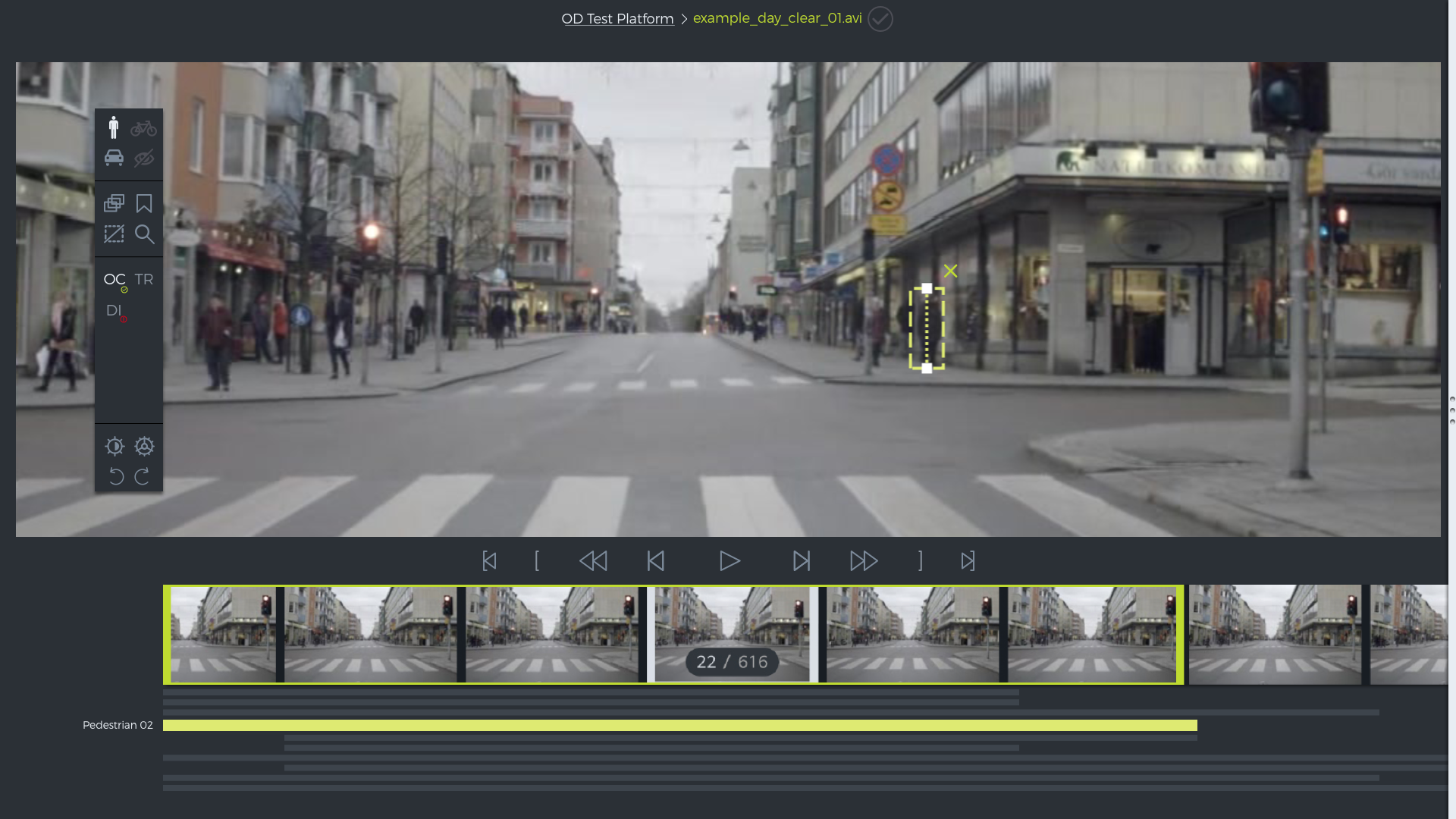
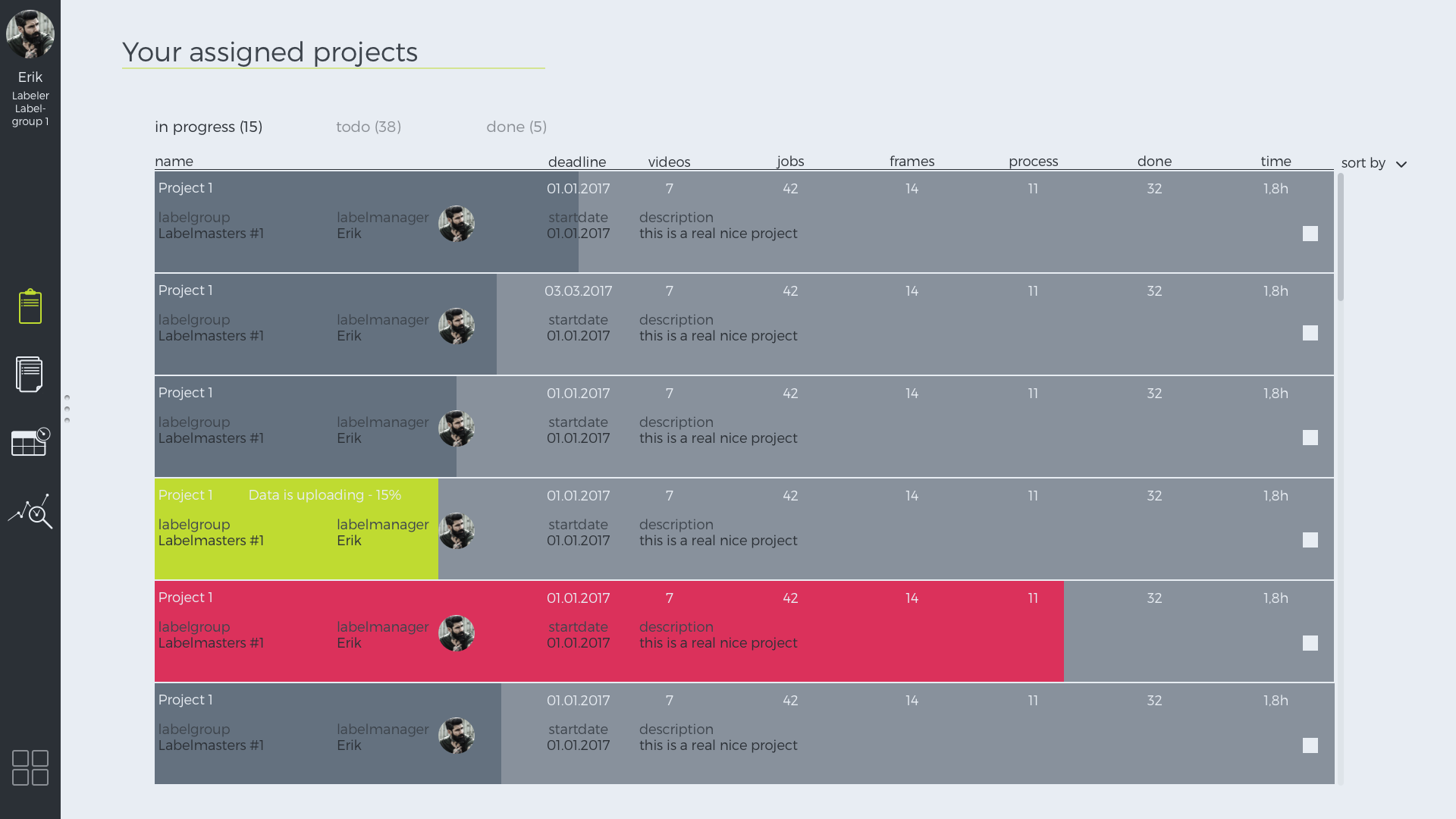
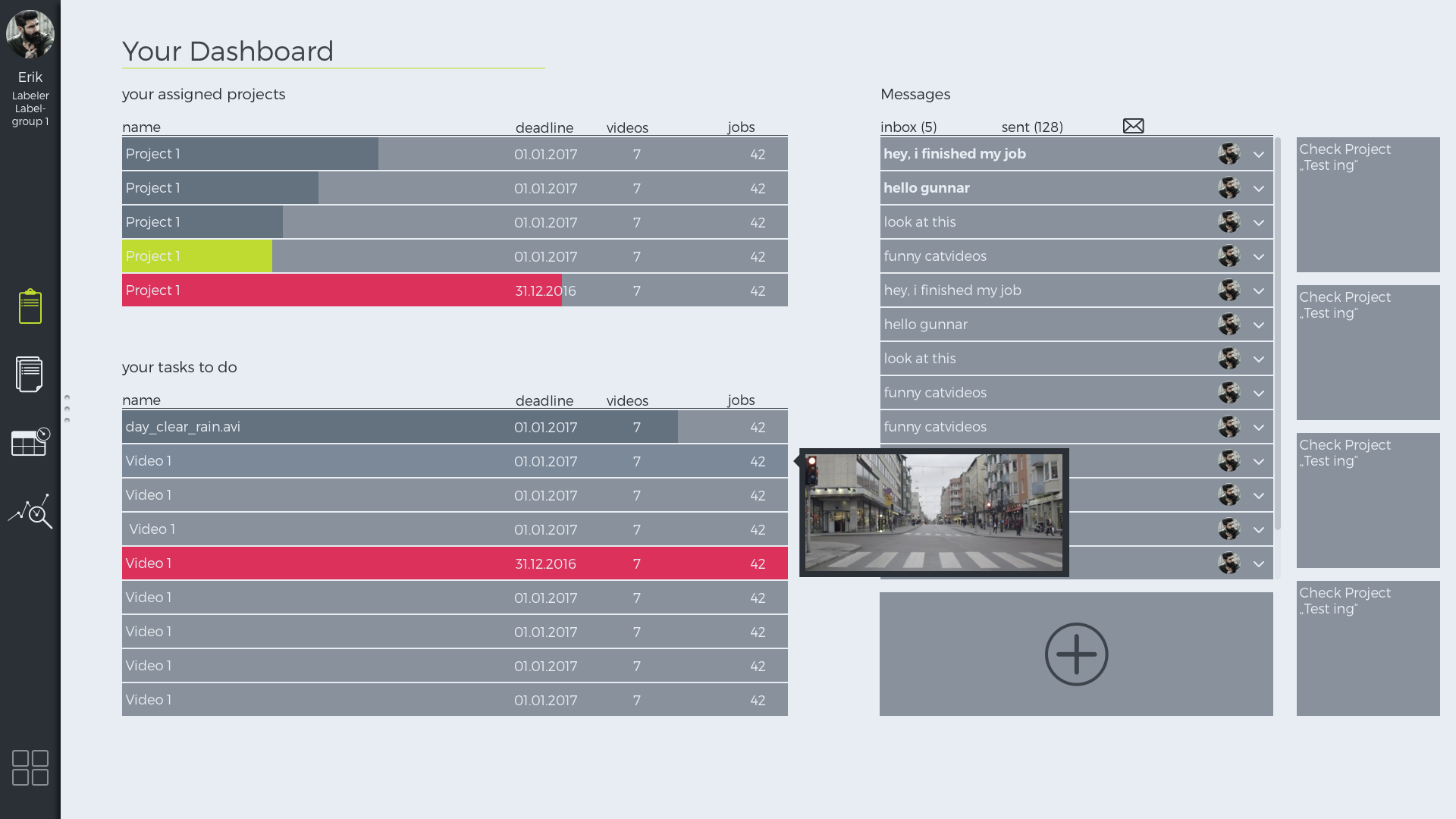
Based on this analysis, UseTree developed a UX concept for the labeling software.
The concept structures the process of video data annotation in a clear and comprehensible way. Information is prepared in such a way that relevant contexts can be quickly grasped. Workflows follow a logical sequence. Recurring tasks are consistently supported.
A particular focus was on helping users work precisely without burdening them with unnecessary complexity. The UX principles provide orientation, reduce cognitive load and promote consistently high quality in the labeling process.
Solution
Based on this analysis, UseTree developed a UX concept for the labeling software.
The concept structures the process of video data annotation in a clear and comprehensible way. Information is prepared in such a way that relevant contexts can be quickly grasped. Workflows follow a logical sequence. Recurring tasks are consistently supported.
A particular focus was on helping users work precisely without burdening them with unnecessary complexity. The UX principles provide orientation, reduce cognitive load and promote consistently high quality in the labeling process.
Solution
Based on this analysis, UseTree developed a UX concept for the labeling software.
The concept structures the process of video data annotation in a clear and comprehensible way. Information is prepared in such a way that relevant contexts can be quickly grasped. Workflows follow a logical sequence. Recurring tasks are consistently supported.
A particular focus was on helping users work precisely without burdening them with unnecessary complexity. The UX principles provide orientation, reduce cognitive load and promote consistently high quality in the labeling process.
Impact
The UX concept creates a reliable basis for the development of HELLA Aglaia's labeling software. It helps users annotate video material in a more structured, efficient and accurate way.
In doing so, it makes a direct contribution to the quality of training data for AI systems. Better usability of the software leads to more reliable data and thus to more powerful assistance systems and a more stable basis for autonomous driving.
Impact
The UX concept creates a reliable basis for the development of HELLA Aglaia's labeling software. It helps users annotate video material in a more structured, efficient and accurate way.
In doing so, it makes a direct contribution to the quality of training data for AI systems. Better usability of the software leads to more reliable data and thus to more powerful assistance systems and a more stable basis for autonomous driving.
Impact
The UX concept creates a reliable basis for the development of HELLA Aglaia's labeling software. It helps users annotate video material in a more structured, efficient and accurate way.
In doing so, it makes a direct contribution to the quality of training data for AI systems. Better usability of the software leads to more reliable data and thus to more powerful assistance systems and a more stable basis for autonomous driving.


%201.png)
“Thanks to UseTree's expertise, we were able to significantly optimize our labeling system through a modular concept and design. Today, we can offer a flexible system that enables efficient and user-friendly labeling and fits seamlessly into the product families of Hella Aglaia's Testing Solutions division. ”
Tom Lüders, Director of Testing Solutions, HELLA Aglaia Mobile Vision GmbH
“Thanks to UseTree's expertise, we were able to significantly optimize our labeling system through a modular concept and design. Today, we can offer a flexible system that enables efficient and user-friendly labeling and fits seamlessly into the product families of Hella Aglaia's Testing Solutions division. ”
Tom Lüders, Director of Testing Solutions, HELLA Aglaia Mobile Vision GmbH
Lorem ipsum dolor sit amet, consectetur adipiscing elit. Suspend Varius Enim in Eros Elementum Tristique. Duis cursus, mi quis viverra ornare, eros dolor interdum nulla, ut commodo diam libero vitae erat.
Lorem Ipsum Dolor Sit Amet