Hexagon
Virtual test drives for the mobility of the future
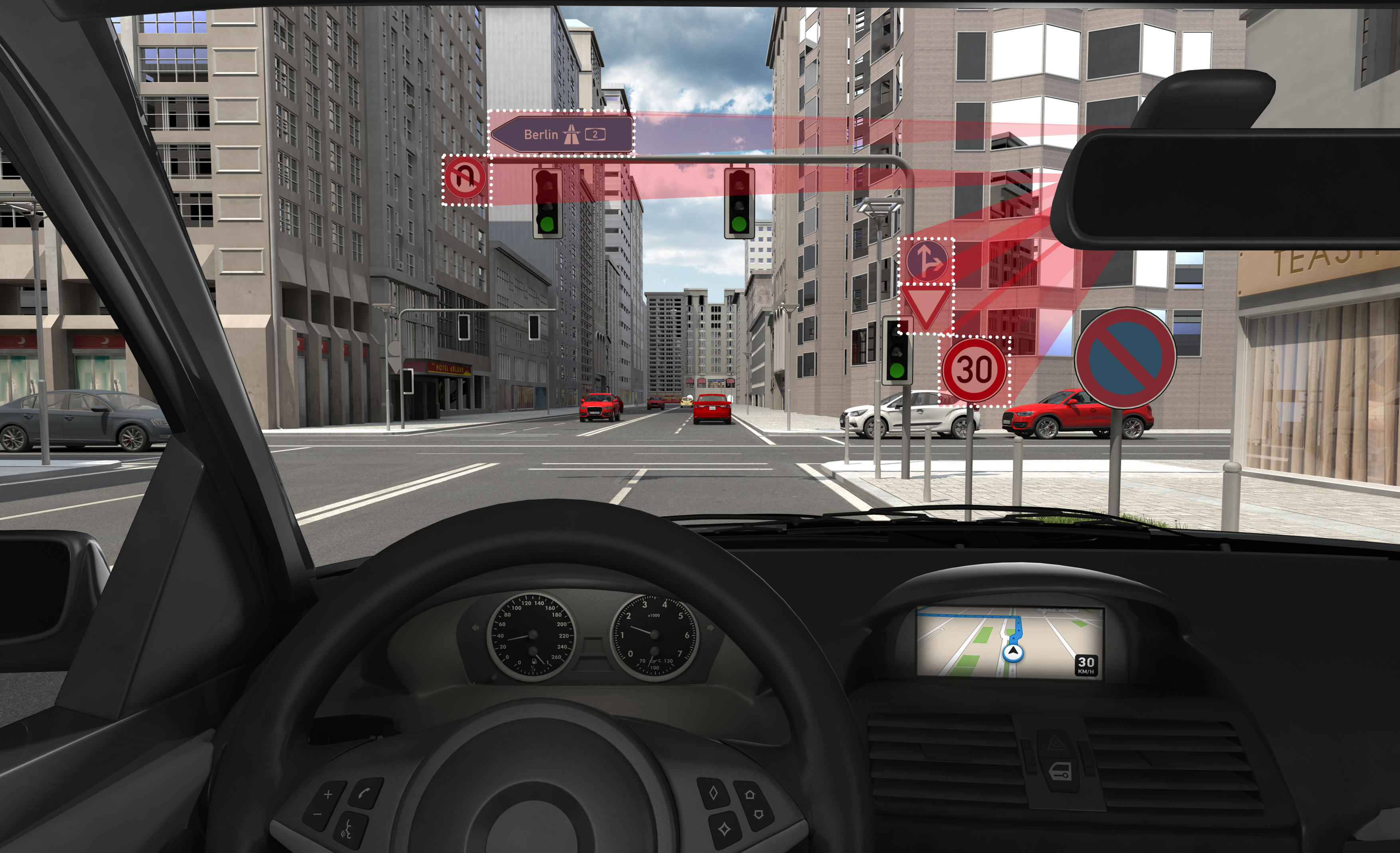
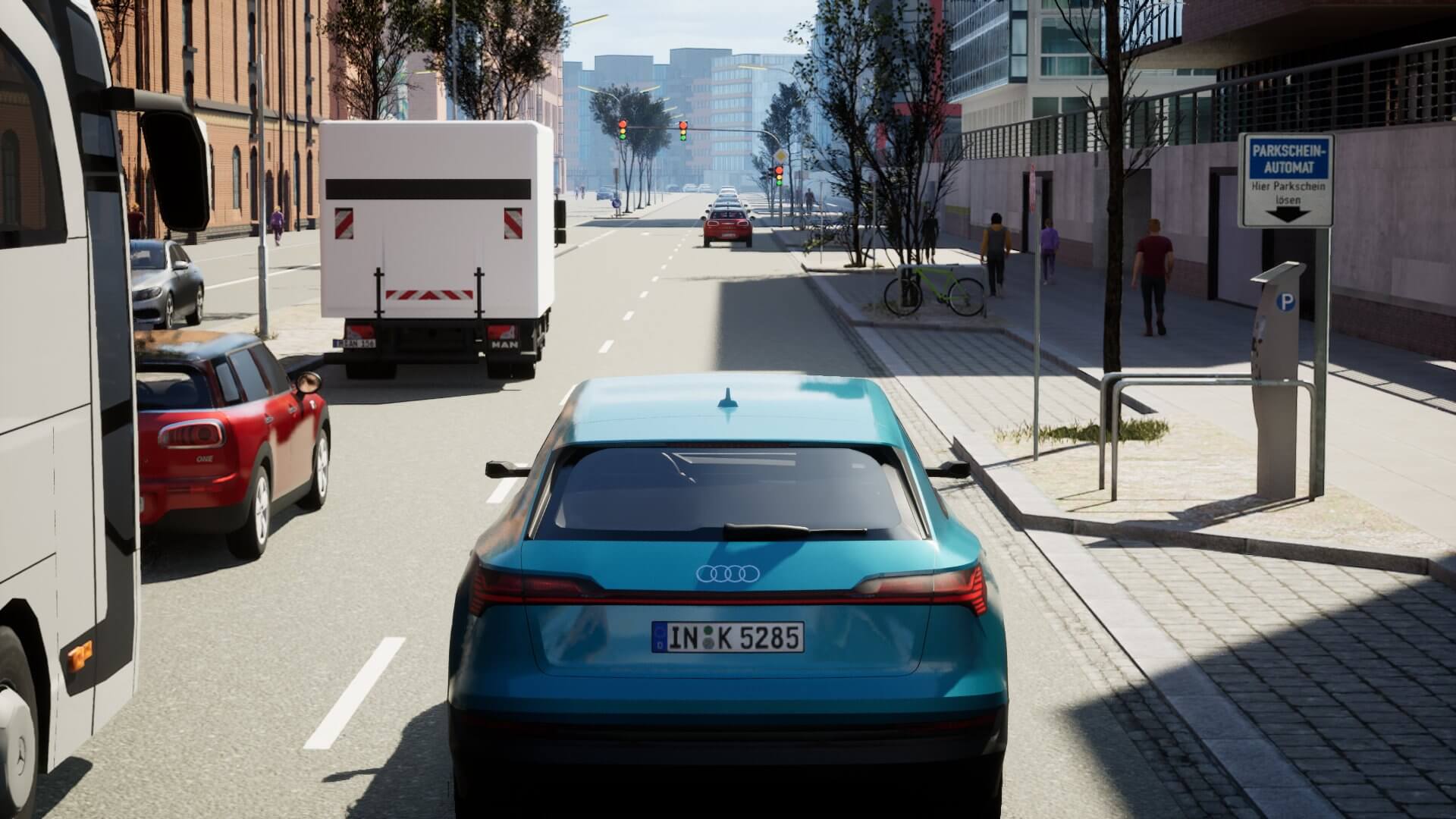
Hexagon is one of the world’s leading providers of digital reality technologies. Its simulation software VTDx enables driver assistance systems and autonomous vehicles to be tested virtually and developed more quickly.
Sector
Mobility and Automotive AI
Period
2021 to 2023
Complexity as a starting point
The development of driver assistance systems and autonomous driving functions requires extensive testing under realistic conditions. Physical test drives are time consuming, costly and only scalable to a limited extent.
Software defined vehicles add further complexity. Sensors, AI models, and operating systems must be integrated, validated, and continuously adapted.
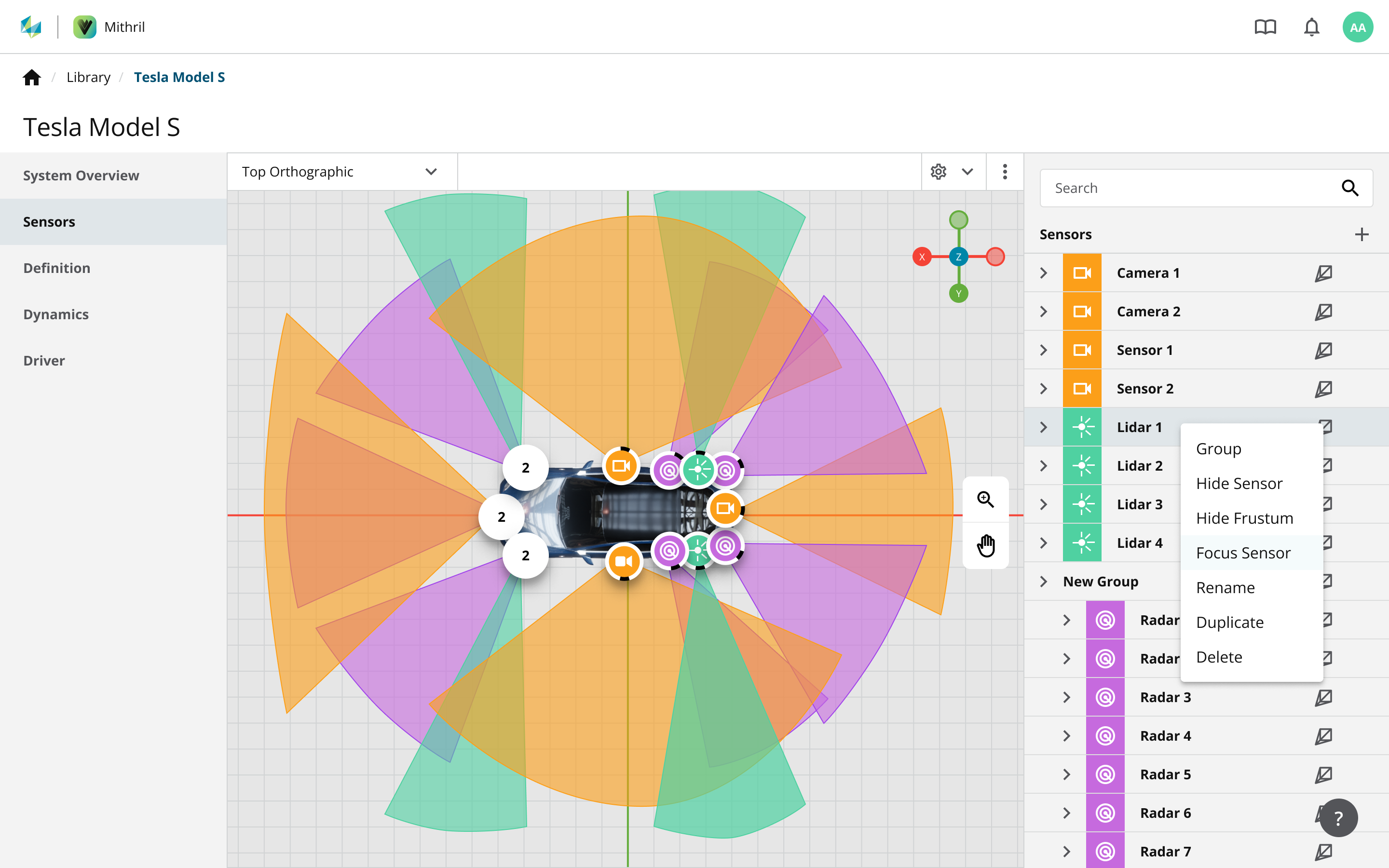
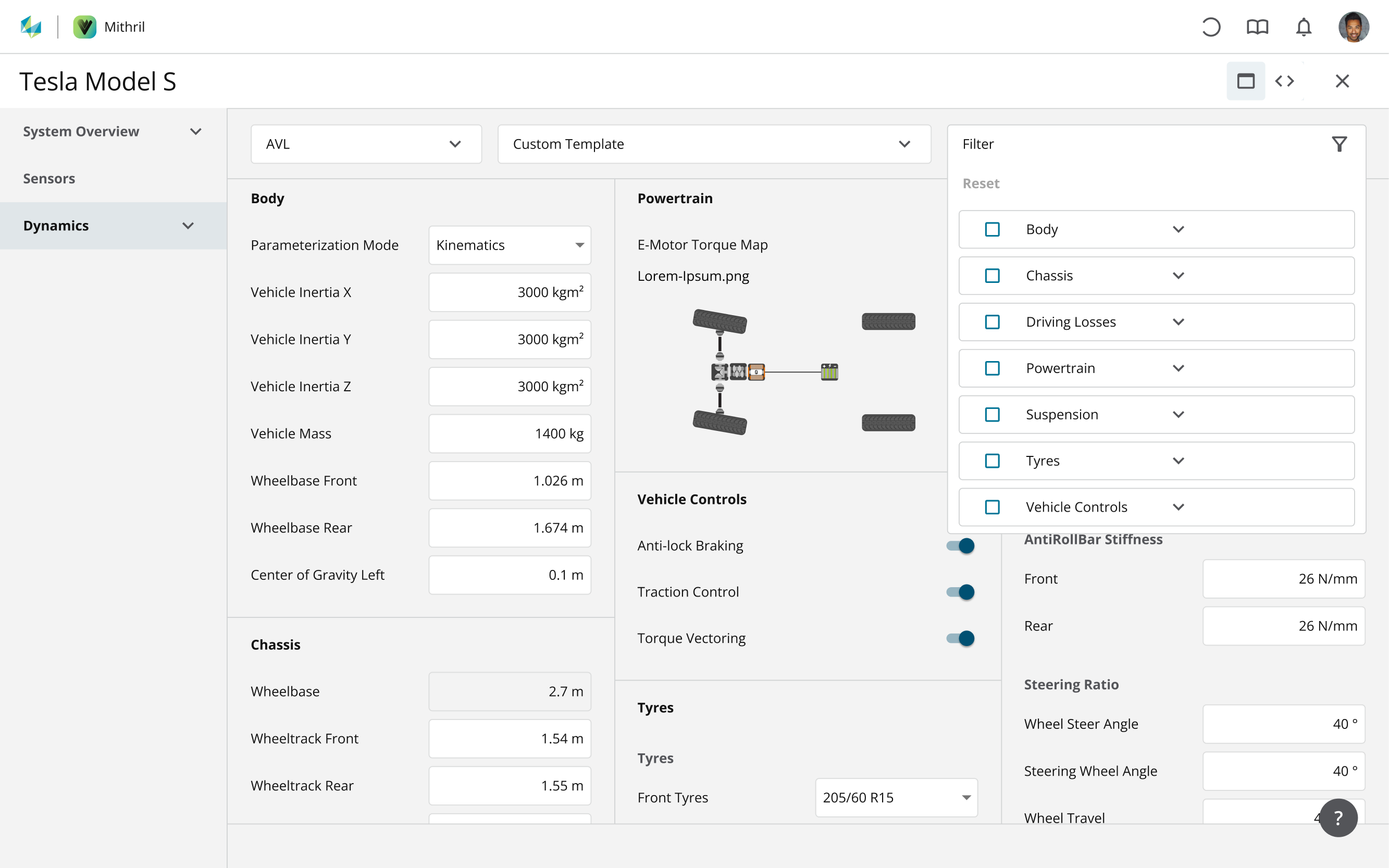
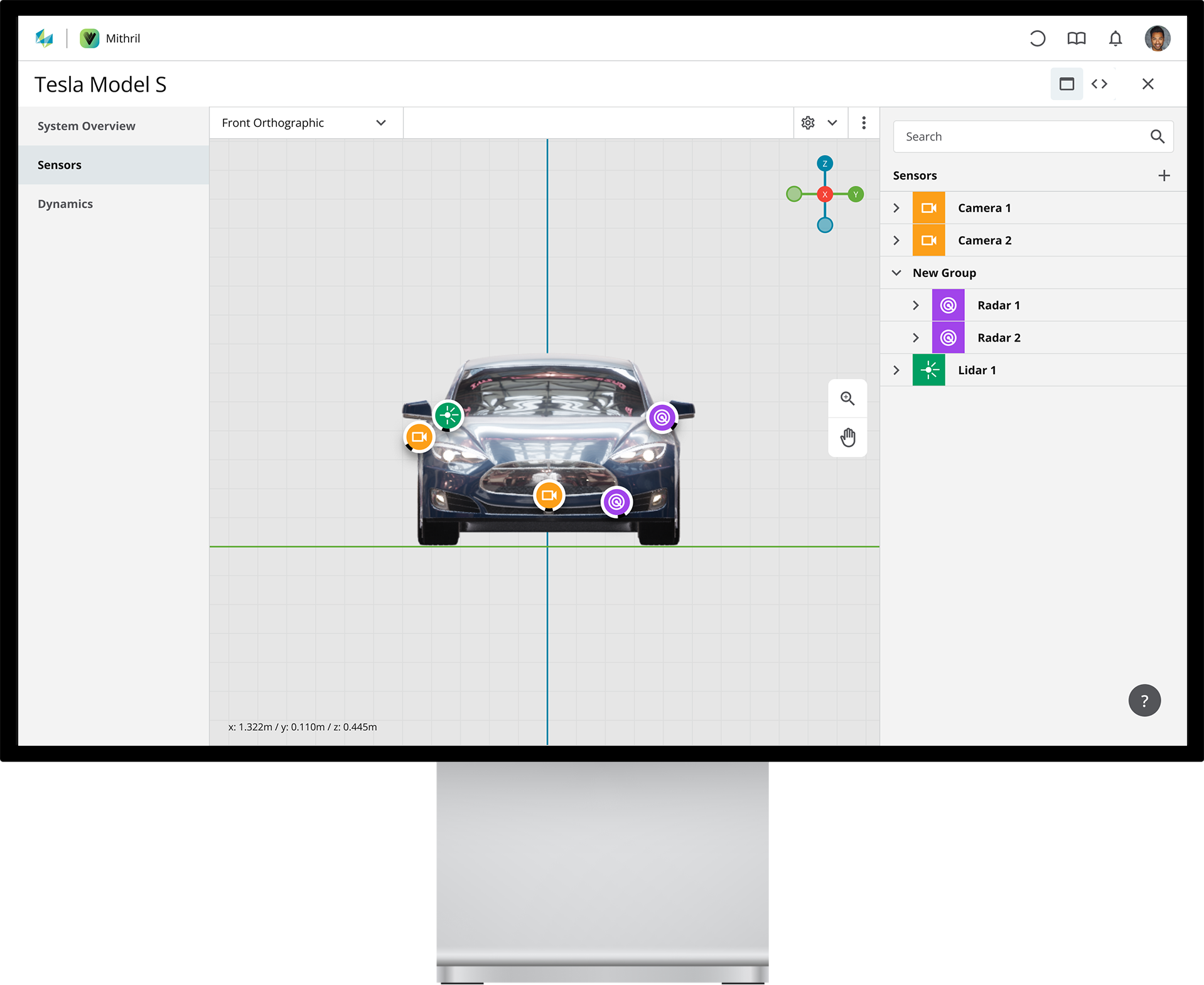
Hexagon’s Virtual Test Drive (VTD) software provided the technical foundation for this. With the VTDx software relaunch, Hexagon focuses on a considered UX and UI design that specifically accelerates the development and testing of driver assistance systems.
Complexity as a starting point
The development of driver assistance systems and autonomous driving functions requires extensive testing under realistic conditions. Physical test drives are time consuming, costly and only scalable to a limited extent.
Software defined vehicles add further complexity. Sensors, AI models, and operating systems must be integrated, validated, and continuously adapted.
Hexagon’s Virtual Test Drive (VTD) software provided the technical foundation for this. With the VTDx software relaunch, Hexagon focuses on a considered UX and UI design that specifically accelerates the development and testing of driver assistance systems.
Complexity as a starting point
The development of driver assistance systems and autonomous driving functions requires extensive testing under realistic conditions. Physical test drives are time consuming, costly and only scalable to a limited extent.
Software defined vehicles add further complexity. Sensors, AI models, and operating systems must be integrated, validated, and continuously adapted.
Hexagon’s Virtual Test Drive (VTD) software provided the technical foundation for this. With the VTDx software relaunch, Hexagon focuses on a considered UX and UI design that specifically accelerates the development and testing of driver assistance systems.
A system outgrows itself
VTD had been successful on the market for years but had lost clarity over time. New features were added, interaction became more complex, and the effort required for training and support increased. With VTDx, Hexagon used this moment for a conscious fresh start, combining technical strength with a user friendly structure developed by UseTree.
A system outgrows itself
VTD had been successful on the market for years but had lost clarity over time. New features were added, interaction became more complex, and the effort required for training and support increased. With VTDx, Hexagon used this moment for a conscious fresh start, combining technical strength with a user friendly structure developed by UseTree.
A system outgrows itself
VTD had been successful on the market for years but had lost clarity over time. New features were added, interaction became more complex, and the effort required for training and support increased. With VTDx, Hexagon used this moment for a conscious fresh start, combining technical strength with a user friendly structure developed by UseTree.
Structures in motion
UseTree supported the further development of VTDx with a multi-stage design process that combined analysis, structure, and design.
- Analyse: Capture usage scenarios and workflows. Evaluate interviews and observations.
- Structure: Develop an information architecture that reflects complex processes and provides orientation.
- Design: Create interaction patterns and visual components that support workflows.
- Systemise: Build a design system that ensures consistency and enables future extensions.
- Advise: Define UX KPIs to make usage and quality measurable over the long term.
Structures in motion
UseTree supported the further development of VTDx with a multi-stage design process that combined analysis, structure, and design.
- Analyse: Capture usage scenarios and workflows. Evaluate interviews and observations.
- Structure: Develop an information architecture that reflects complex processes and provides orientation.
- Design: Create interaction patterns and visual components that support workflows.
- Systemise: Build a design system that ensures consistency and enables future extensions.
- Advise: Define UX KPIs to make usage and quality measurable over the long term.
Structures in motion
UseTree supported the further development of VTDx with a multi-stage design process that combined analysis, structure, and design.
- Analyse: Capture usage scenarios and workflows. Evaluate interviews and observations.
- Structure: Develop an information architecture that reflects complex processes and provides orientation.
- Design: Create interaction patterns and visual components that support workflows.
- Systemise: Build a design system that ensures consistency and enables future extensions.
- Advise: Define UX KPIs to make usage and quality measurable over the long term.
Impact through clarity
The new UI and UX design of VTDx lowers the barrier to entry and increases efficiency. Simulations can be configured, controlled, and analysed more easily. The design system creates a clear visual language and can be extended flexibly. For this, VTDx received the iF Design Award 2025 in the Web Application category.
Impact through clarity
The new UI and UX design of VTDx lowers the barrier to entry and increases efficiency. Simulations can be configured, controlled, and analysed more easily. The design system creates a clear visual language and can be extended flexibly. For this, VTDx received the iF Design Award 2025 in the Web Application category.
Impact through clarity
The new UI and UX design of VTDx lowers the barrier to entry and increases efficiency. Simulations can be configured, controlled, and analysed more easily. The design system creates a clear visual language and can be extended flexibly. For this, VTDx received the iF Design Award 2025 in the Web Application category.
%201.png)

.png)
“The collaboration with UseTree was easy and impressively efficient. Our product was modernised quickly and aligned optimally with today’s requirements. Many thanks to the entire UseTree team for the excellent collaboration.”
Ramona Schwab, UX/UI Design Product Owner, Hexagon
Lorem ipsum dolor sit amet, consectetur adipiscing elit. Suspend Varius Enim in Eros Elementum Tristique. Duis cursus, mi quis viverra ornare, eros dolor interdum nulla, ut commodo diam libero vitae erat.
Lorem Ipsum Dolor Sit Amet