RetroBrain
Computer games with therapeutic effect
Development of a standardized usability test for the MemoreBox
Sector
Healthcare and Life Sciences
Services
Principle
Period
4 weeks
Starting position
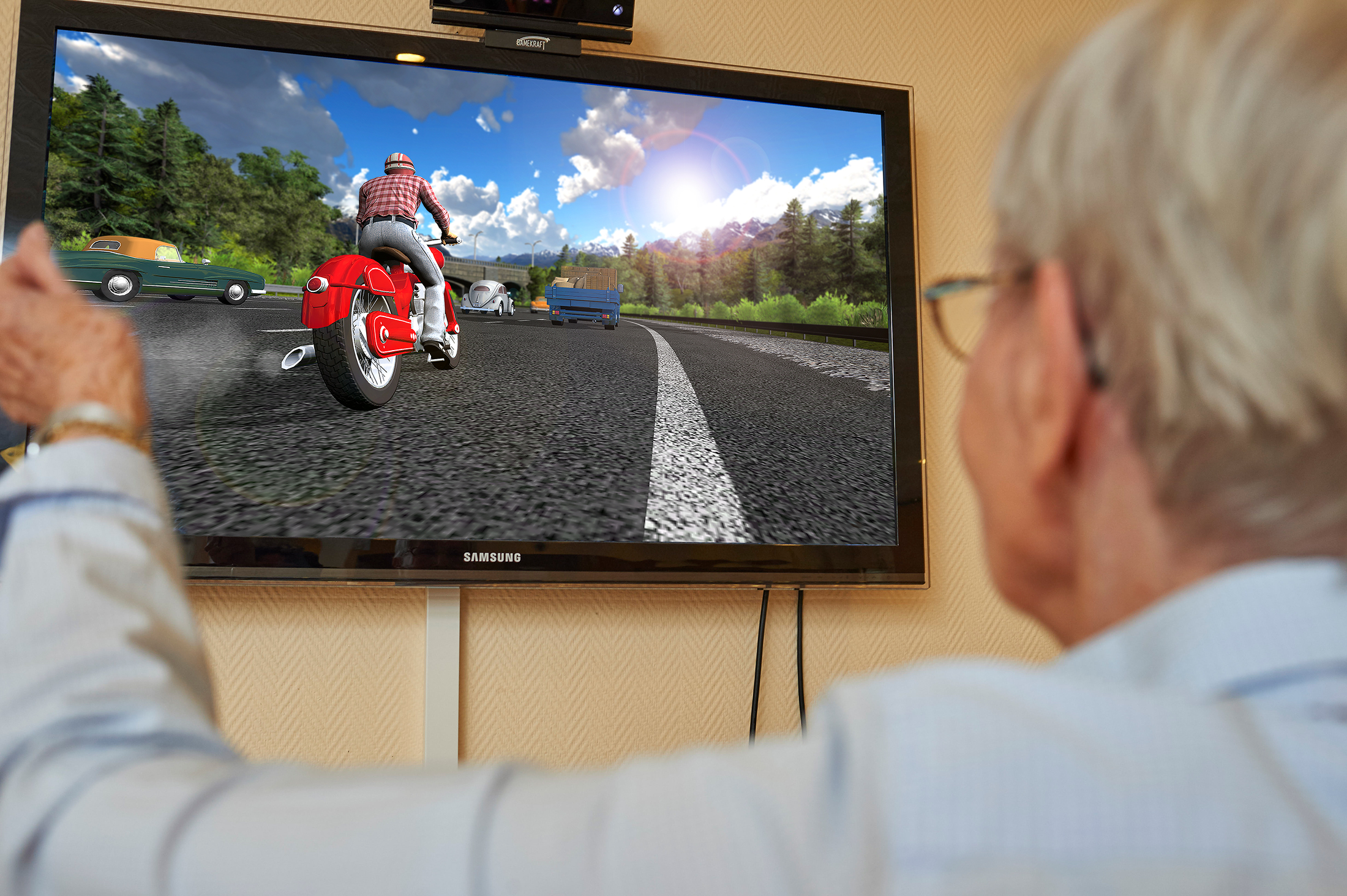
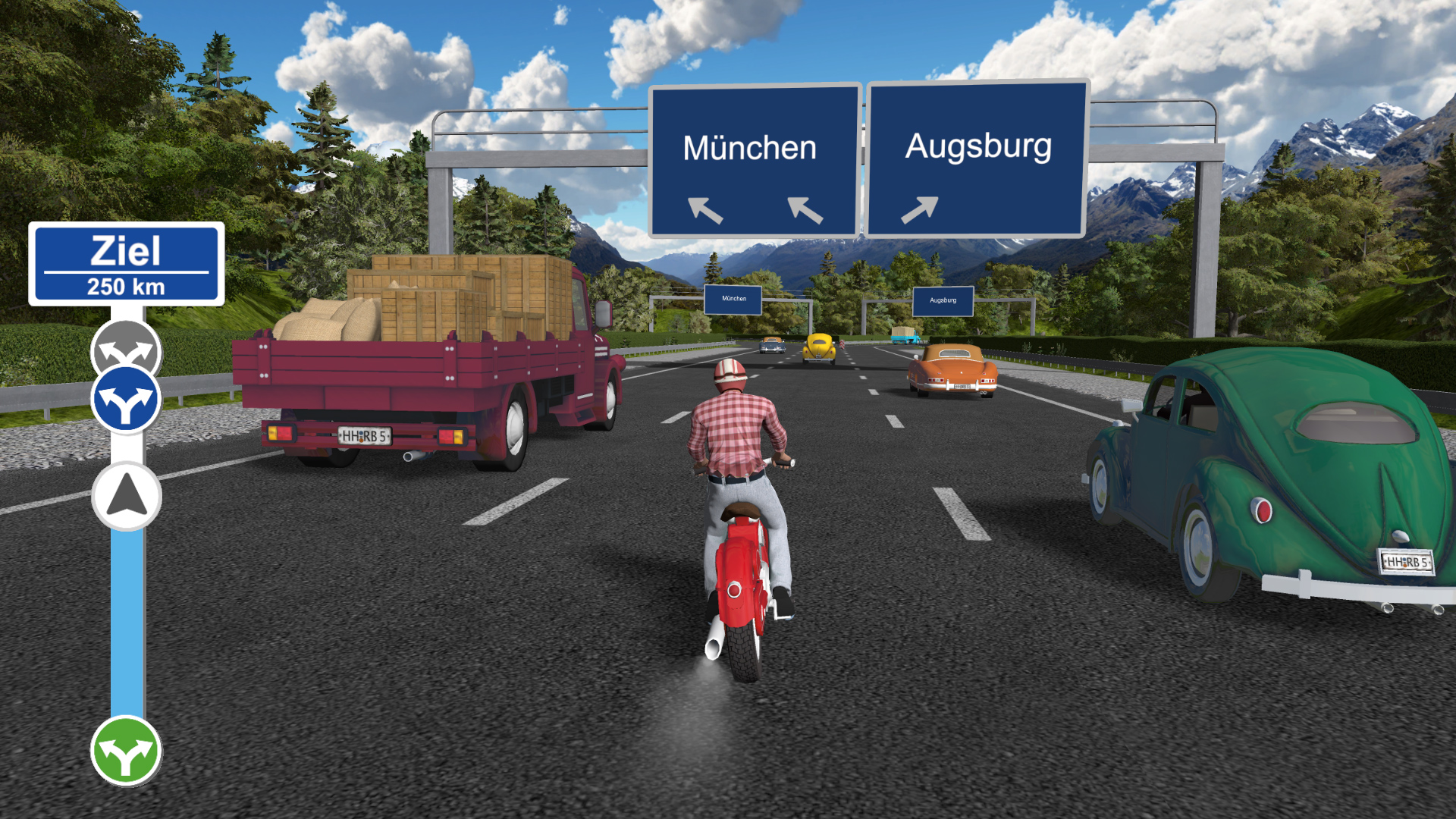
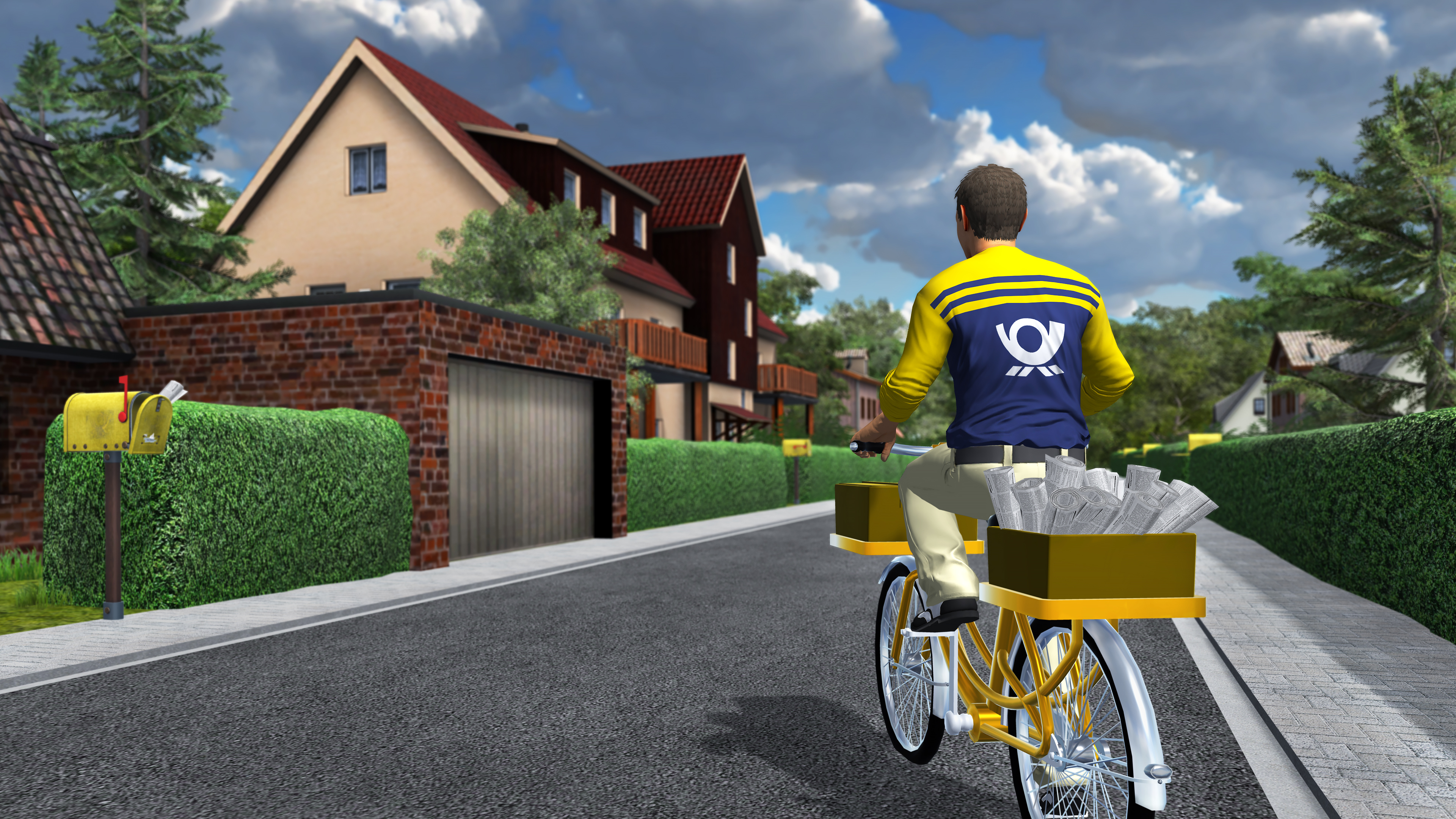
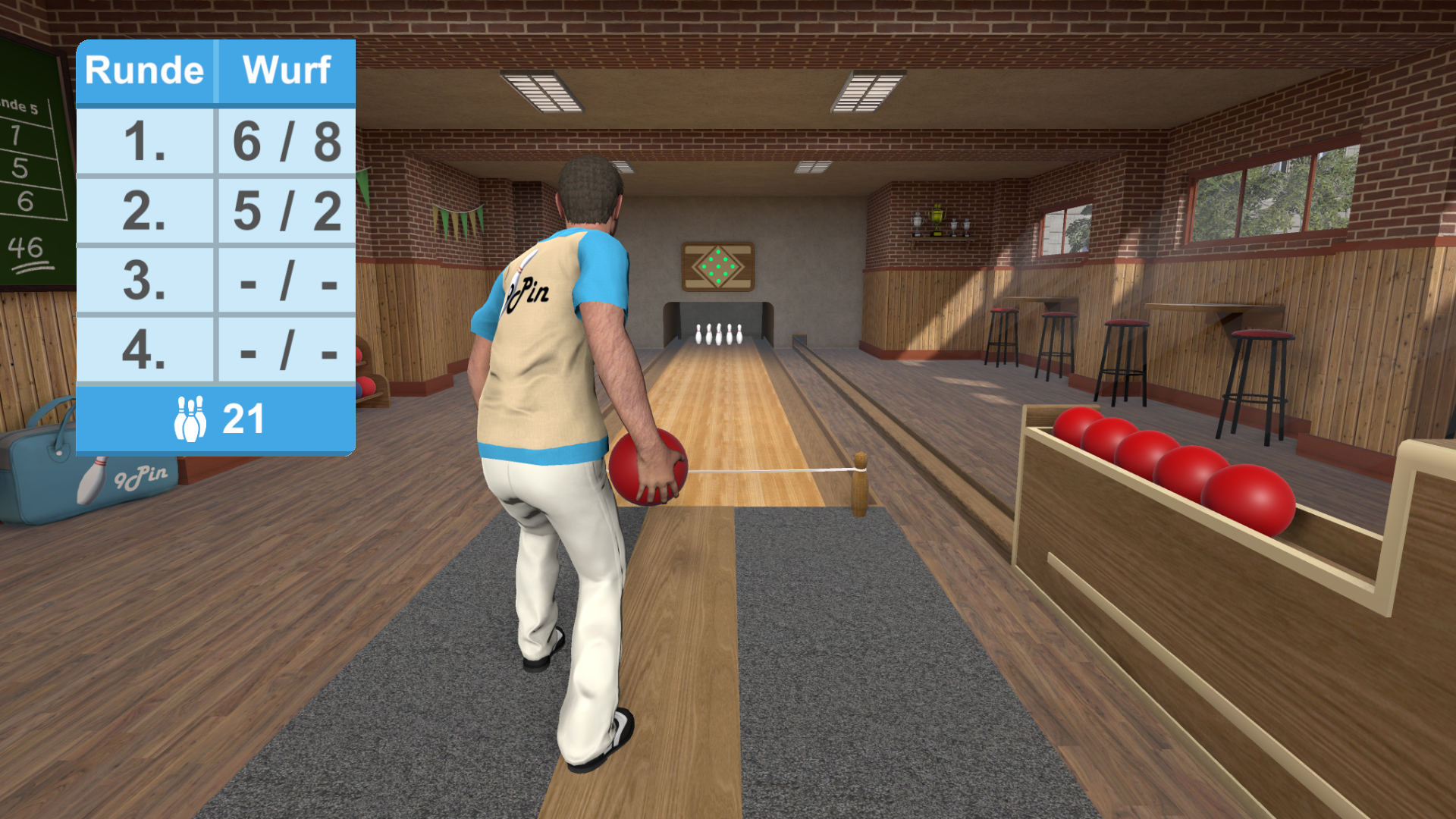
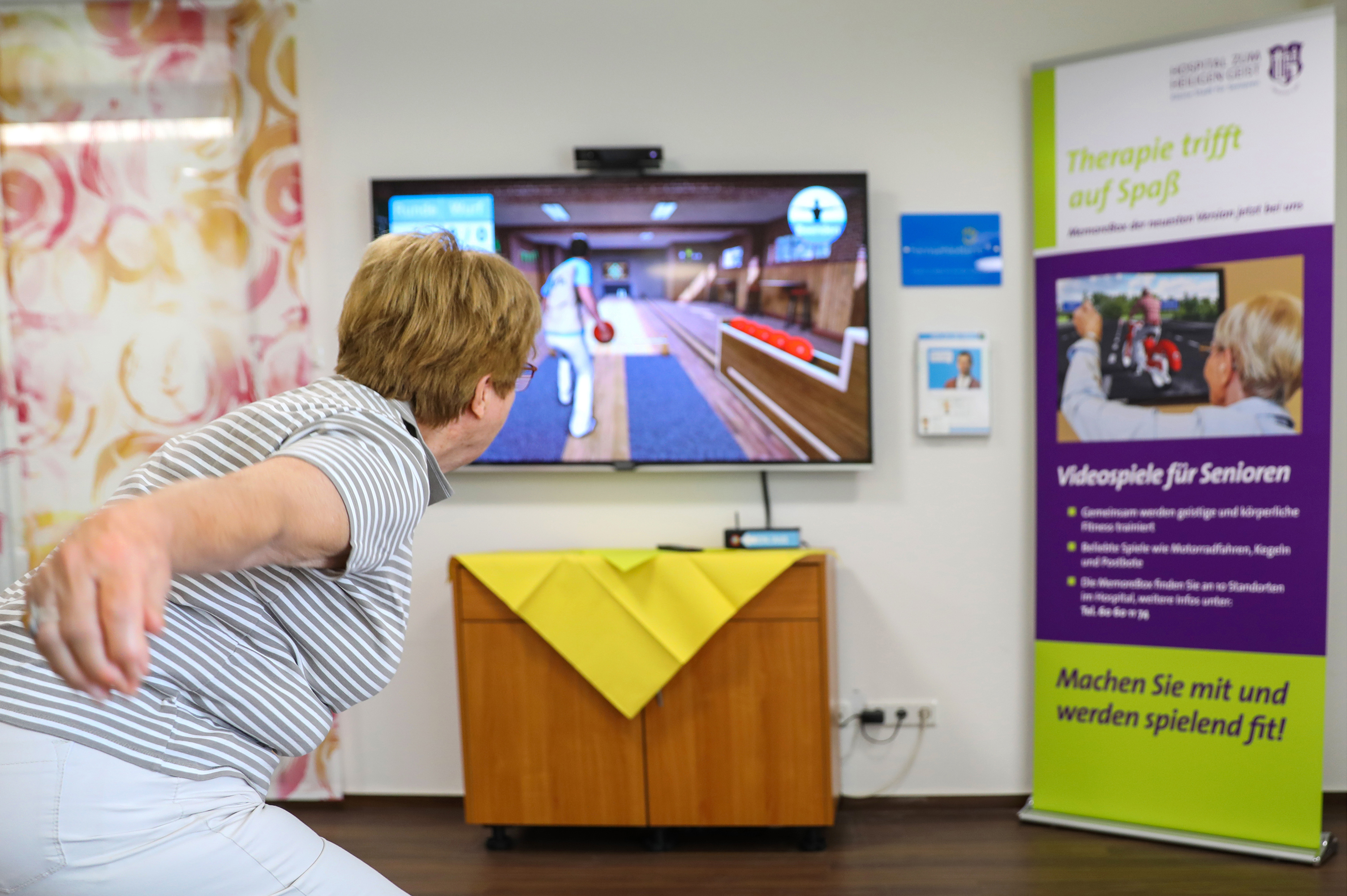
With the MemoreBox, RetroBrain develops digital games to treat and support people with neurodegenerative diseases. The application is aimed at users with very different cognitive and motor skills. At the same time, it is embedded in therapeutic and nursing contexts.
There was no standardized, scientifically reliable test procedure for the further development of the MemoreBox. Existing methods did not adequately reflect the specific characteristics of the user group. Feedback was difficult to compare. Findings could not be clearly attributed or translated into concrete design decisions.
Starting position
With the MemoreBox, RetroBrain develops digital games to treat and support people with neurodegenerative diseases. The application is aimed at users with very different cognitive and motor skills. At the same time, it is embedded in therapeutic and nursing contexts.
There was no standardized, scientifically reliable test procedure for the further development of the MemoreBox. Existing methods did not adequately reflect the specific characteristics of the user group. Feedback was difficult to compare. Findings could not be clearly attributed or translated into concrete design decisions.
Starting position
With the MemoreBox, RetroBrain develops digital games to treat and support people with neurodegenerative diseases. The application is aimed at users with very different cognitive and motor skills. At the same time, it is embedded in therapeutic and nursing contexts.
There was no standardized, scientifically reliable test procedure for the further development of the MemoreBox. Existing methods did not adequately reflect the specific characteristics of the user group. Feedback was difficult to compare. Findings could not be clearly attributed or translated into concrete design decisions.
Approach and solution
The world of cognitive and motor experiences
The biggest challenge lay in the range of users of MemoreBox. Different cognitive and motor skills had to be mapped in a test procedure that was both valid and practicable.
RetroBrain obtained the expertise of UseTree in collaboration with TU Berlin as part of the “Mittelstand 4.0 — Kompetenzzentrum Usability” project. Together, the team recommended a two-step approach. First, UX research. Based on this, the development of a standardized usability test scheme.
Central questions accompanied the entire process. Which design supports an intuitive understanding of the game. How are users initially and persistently motivated. How precise do control gestures have to be for therapeutic use? And how can these aspects be scientifically correctly integrated into a test procedure.
Sharpen user groups and use appropriate work tools
In order to be able to use the test scheme in a targeted manner, the user groups had to be clearly defined. In addition to the wide range of patient characteristics and diseases, nursing staff was also considered as an independent user group.
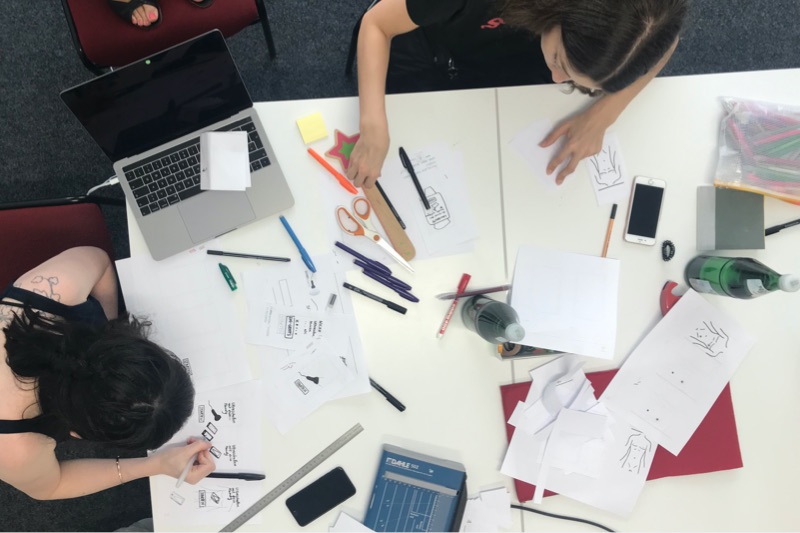
This differentiation was directly incorporated into the development of the test. Conventional numeric scales have been replaced by symbols to make feedback easier to understand for the specific user group. Since many senior citizens needed reminders during surveys, the team also recommended the use of illustrated cards to support the discussions.
Approach and solution
The world of cognitive and motor experiences
The biggest challenge lay in the range of users of MemoreBox. Different cognitive and motor skills had to be mapped in a test procedure that was both valid and practicable.
RetroBrain obtained the expertise of UseTree in collaboration with TU Berlin as part of the “Mittelstand 4.0 — Kompetenzzentrum Usability” project. Together, the team recommended a two-step approach. First, UX research. Based on this, the development of a standardized usability test scheme.
Central questions accompanied the entire process. Which design supports an intuitive understanding of the game. How are users initially and persistently motivated. How precise do control gestures have to be for therapeutic use? And how can these aspects be scientifically correctly integrated into a test procedure.
Sharpen user groups and use appropriate work tools
In order to be able to use the test scheme in a targeted manner, the user groups had to be clearly defined. In addition to the wide range of patient characteristics and diseases, nursing staff was also considered as an independent user group.
This differentiation was directly incorporated into the development of the test. Conventional numeric scales have been replaced by symbols to make feedback easier to understand for the specific user group. Since many senior citizens needed reminders during surveys, the team also recommended the use of illustrated cards to support the discussions.
Approach and solution
The world of cognitive and motor experiences
The biggest challenge lay in the range of users of MemoreBox. Different cognitive and motor skills had to be mapped in a test procedure that was both valid and practicable.
RetroBrain obtained the expertise of UseTree in collaboration with TU Berlin as part of the “Mittelstand 4.0 — Kompetenzzentrum Usability” project. Together, the team recommended a two-step approach. First, UX research. Based on this, the development of a standardized usability test scheme.
Central questions accompanied the entire process. Which design supports an intuitive understanding of the game. How are users initially and persistently motivated. How precise do control gestures have to be for therapeutic use? And how can these aspects be scientifically correctly integrated into a test procedure.
Sharpen user groups and use appropriate work tools
In order to be able to use the test scheme in a targeted manner, the user groups had to be clearly defined. In addition to the wide range of patient characteristics and diseases, nursing staff was also considered as an independent user group.
This differentiation was directly incorporated into the development of the test. Conventional numeric scales have been replaced by symbols to make feedback easier to understand for the specific user group. Since many senior citizens needed reminders during surveys, the team also recommended the use of illustrated cards to support the discussions.
Added value
The result of the collaboration is a standardized test scheme with the modules Interview, Observation Scheme and Questionnaire. RetroBrain can use this scheme specifically for the further development of the MemoreBox.
Testers also benefit from this. The results are comparable, reliable and can be translated directly into concrete decisions. In addition to simply recording usage problems, the test procedure makes it possible to see whether and to what extent difficulties lie in the users' illness.
RetroBrain also gained valuable insights into creating user profiles. These form an important basis for designing future games.
Added value
The result of the collaboration is a standardized test scheme with the modules Interview, Observation Scheme and Questionnaire. RetroBrain can use this scheme specifically for the further development of the MemoreBox.
Testers also benefit from this. The results are comparable, reliable and can be translated directly into concrete decisions. In addition to simply recording usage problems, the test procedure makes it possible to see whether and to what extent difficulties lie in the users' illness.
RetroBrain also gained valuable insights into creating user profiles. These form an important basis for designing future games.
Added value
The result of the collaboration is a standardized test scheme with the modules Interview, Observation Scheme and Questionnaire. RetroBrain can use this scheme specifically for the further development of the MemoreBox.
Testers also benefit from this. The results are comparable, reliable and can be translated directly into concrete decisions. In addition to simply recording usage problems, the test procedure makes it possible to see whether and to what extent difficulties lie in the users' illness.
RetroBrain also gained valuable insights into creating user profiles. These form an important basis for designing future games.
Impact
Through this collaboration, RetroBrain has a robust tool for the user-centered development of MemoreBox. Usability tests are now reproducible, comparable and scientifically based.
The test scheme provides clarity about how different user groups interact with the games and where targeted adjustments are necessary. In doing so, it not only improves the quality of applications, but also the basis for decision-making for future product developments in a therapeutic context.
Impact
Through this collaboration, RetroBrain has a robust tool for the user-centered development of MemoreBox. Usability tests are now reproducible, comparable and scientifically based.
The test scheme provides clarity about how different user groups interact with the games and where targeted adjustments are necessary. In doing so, it not only improves the quality of applications, but also the basis for decision-making for future product developments in a therapeutic context.
Impact
Through this collaboration, RetroBrain has a robust tool for the user-centered development of MemoreBox. Usability tests are now reproducible, comparable and scientifically based.
The test scheme provides clarity about how different user groups interact with the games and where targeted adjustments are necessary. In doing so, it not only improves the quality of applications, but also the basis for decision-making for future product developments in a therapeutic context.


%201.png)
“Thanks to the support from UseTree as part of the SME 4.0 Usability Competence Center, we were able to make our user and usability tests even more efficient. ”
Dr. Inga Grossmann, Head of Science, RetroBrain R&D GmbH
Lorem ipsum dolor sit amet, consectetur adipiscing elit. Suspend Varius Enim in Eros Elementum Tristique. Duis cursus, mi quis viverra ornare, eros dolor interdum nulla, ut commodo diam libero vitae erat.
Lorem Ipsum Dolor Sit Amet